

why everything feels temporary (and what to do about it)
a gentle guide to building permanence (featuring this month’s book of the month picks)

today’s post is sponsored by book of the month. they sent me their september box and i actually got excited about the bright blue packaging, so here we are.
some nights i wake up at 2 a.m. and stare at the living room lamp. it’s one of those tiny mid-century ones that throws a soft circle of light across the couch, and in that light the apartment looks almost organized. by morning the lamp is off, the laundry basket is a small mountain, and one of zay’s shoes is somewhere under the armchair like a fossil. the day arrives and with it a hundred little erasures. you notice a thing, and then it’s gone.
we’re all walking around with this background hum — the feeling that things don’t stick anymore. a show disappears from your feed before you’ve fully recommended it to someone. clothes fray faster than they used to. weekends compress into a single instagram story. even feelings feel like they have a short shelf life: joy, irritation, wonder — they flare up and then move on. it’s tiring in a soft, dull way, like wearing a sweater two sizes too small.

i don’t think the problem is new. humans have always lost things — names, addresses, little pieces of themselves. what’s new is how fast we’re being asked to replace what we lose. in the past you might have had one favourite mug, one favourite coat, one friend you called when things collapsed. now there are options for everything, and options encourage movement. choice is liberating until it becomes restless. but i’ve been paying attention to the small things that keep returning. i steer away from the big gestures — weddings and job offers — but incline more towards the humble repeats: the mug i reach for without thinking, the playlist i always open on gloomy days, the habit of sitting in the same spot in the living room to read. those repeats are tiny stitches. eventually they hold a piece of fabric together.
here’s what’s been helping me make sense of the slippery life. these are practical, soft, and mostly easy. they’re not about clinging to everything but more about choosing a few things to keep trying. that selection, repeated, becomes the kind of permanence that’s useful.

1. pick the rituals you want to come home to
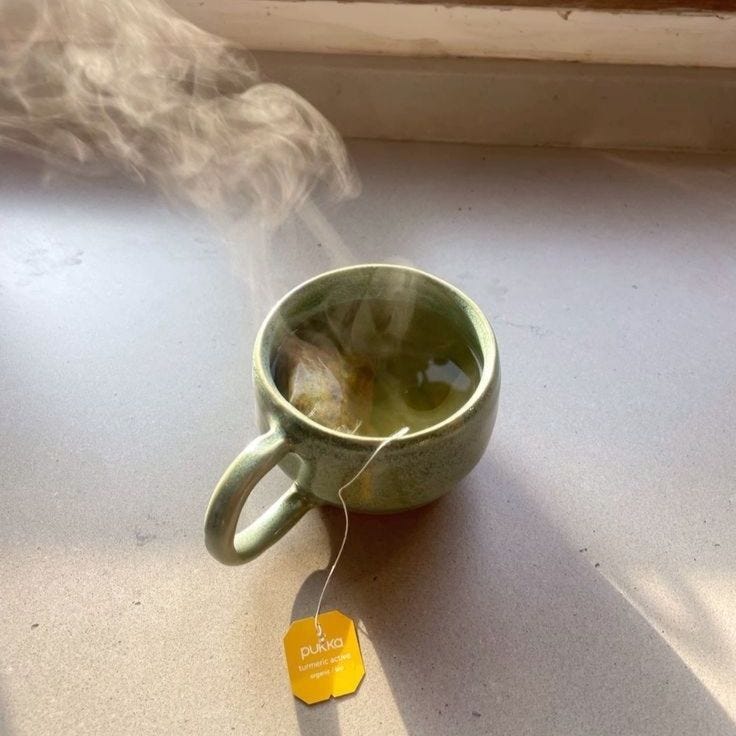
rituals should not be out of the ordinary. in fact, they should be the opposite: they are simple and almost beautifully mundane. mine are messy and ordinary: the way i make night tea (bag in, water just off the boil), the five minutes i sit with the steam on my face before i open my laptop, the exact corner of the couch where i read. they don’t need a label or an instagram caption. they are simply peaceful acts that repeat.
the trick isn’t to add rituals until your schedule explodes. the trick is to notice the little things you already do and make peace with keeping them. you don’t need to become someone else to find continuity. if you already have a thing you do — folding laundry in a certain way, lighting a candle, arranging your kid’s stuffed animals in a small army each night — accept it as a ritual and let it steady you.
when everything feels ephemeral, a ritual is a small anchor. it doesn’t stop the world from changing, but it tells your nervous system that some things are predictable. and predictability, even in the tiniest doses, feels like shelter.
2. collect books that actually live with you (not just on a shelf)
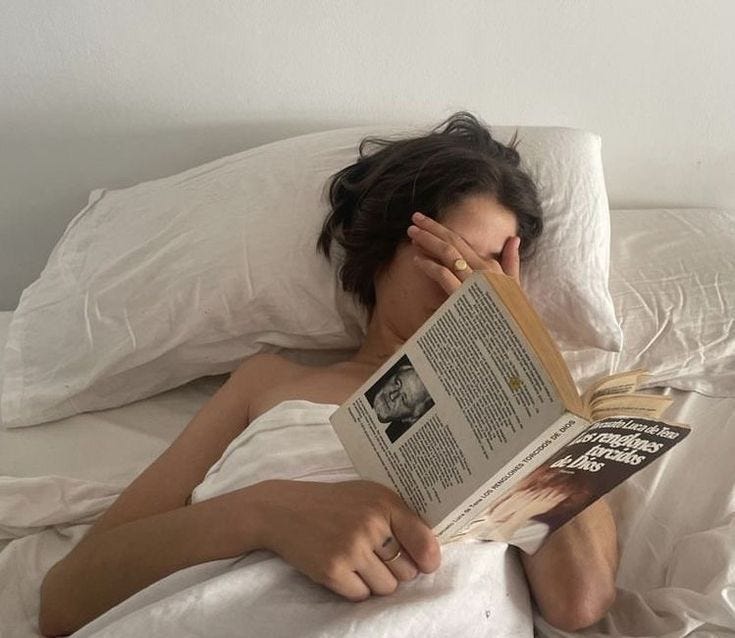
books are the objects that stay the longest. they move with you from one apartment to another, they gather dust and coffee stains, they become part of the furniture of your days. the ones you reach for again and again: a favorite chapter before bed, a line underlined years ago that still lands… those are the anchors. they don’t sit untouched but instead, they live with you.
i’ve been leaning into this even more since my book of the month box arrived. every month they send new releases in that bright blue box (my september picks are alchemy of secrets by stephanie garber and play nice by rachel harrison — both of which are already stacked on my nightstand). there’s something grounding about choosing a book at the start of the month and letting it live with me until the end. instead of cycling endlessly through endless tabs and fleeting recommendations, i commit to the physicality of a single book — the way it feels to carry it around, fold down a page, let it gather a bit of life.
a single thoughtful book can do more than ten half-finished samples. and if you’ve been meaning to build your own rotation of stories that actually stay, book of the month is a perfect place to start. you can get your first hardcover for just $5 (with code JACKET here), which is the kind of permanence that costs less than coffee and lingers far longer.

3. save the kind of messages that move you
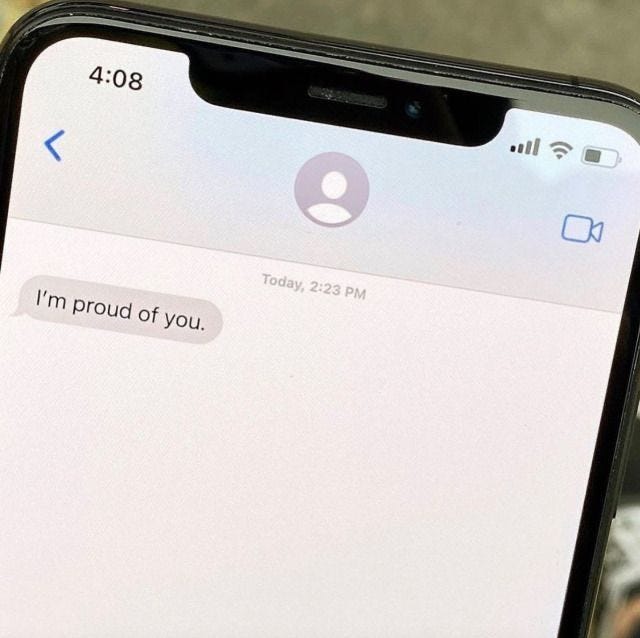
i screenshot a lot of things. sometimes it’s a joke, sometimes it’s a paragraph that landed hard when i was younger. i keep a hidden folder for messages and notes that feel like anchors. on bad days i pull them up like someone giving me a small, private pep talk. not everything deserves a screenshot. but the words that do are the ones that hold a tone of voice you want to carry. a message from a friend who told you you were brave. a paragraph from someone you admire that rearranged a thought in your head. those saved words are a way of choosing what you’ll go back to. conversation can function as a small library you visit.
and sometimes the messages you keep aren’t from other people. they’re notes to yourself. a short line you wrote on a day you felt clear. a two-sentence instruction you left about how to fold the laundry. we treat internal notes like embarrassing drafts instead of small maps. start saving one line to read later. it helps.
4. build tiny habits that don’t require self-flagellation
big goals can feel good for a minute. but tiny habits win the long game. five minutes of free writing every morning. reading one page of a book before bed. walking around the block after lunch. tiny habits are forgiving; they don’t call you a failure when you miss one day.
the point is not to be perfect, it’s to be persistent. miss a day, come back. skip a week, come back. in the accumulation, you’ll notice the subtle change. habits are like plant watering. a little bit often grows into something rooted.
and pick habits that feel like small acts of care rather than chores. the ones you dread won’t stick. the ones you do because they make you lighter — that’s where continuity lives.
5. let memory do some of the holding
memory is not a perfect carton of receipts. it’s softer and more generous than we give it credit for. i’ll never remember every detail of the messy moving day when we left for dubai, but i remember the way sarthak and i argued about the same box and then laughed about it later. memory turns episodes into textures: a smell, a cadence, a comforting humiliating anecdote.
instead of fighting memory’s edits, lean into them. tell the story again to someone who cares. record one thing about your day in a voice note. those small acts are how memory becomes a living thing instead of a brittle museum piece. memory keeps temporary things warm long enough for them to become part of who you are.
6. choose what you’ll repeat and why
this is the only radical part: you get to decide what stays. you don’t have to hold everything. choosing is not hoarding; it’s curating life. pick three rituals, two objects, and one person you will return to intentionally this month. it’s a small liturgy. i used to treat repetition as laziness. now i treat it as devotion. repetition is how you teach the future what matters. the mug you keep, the playlist you open, the friend you text on tuesday nights — these are the scaffolding of a life that holds together.
choosing is not permanent. you’ll change your mind. that, too, is part of the practice. the point is to create a tendency to return, and if something no longer fits, you revise the list. permanence is not a prison; it’s a set of permissions you give yourself.

7. make small public acts of private things
say the thing out loud. tell someone you always read for fifteen minutes before bed. share the playlist you listen to on rainy days. when you name a small habit, you increase its odds of surviving. the witness matters.
there’s power in sharing tiny rituals because community reinforces continuity. a friend who also starts reading for fifteen minutes will text you about it. someone who borrows your mug will swear by it. rituals expand when they’re not lonely. and you don’t need a crowd. one witness is enough. tell one person your small practice and ask them to check in. accountability is not only for big goals. it works perfectly fine for cozy ones.
8. be gentle when things end
we have a culture of performance around loss. everything is either dramatic or dismissed. in reality most endings are ordinary and soft: a friendship that fades, a jacket you throw away, a season of life that changes shape. allow yourself to be gentle. endings are not always failures. sometimes they are tidy, necessary pruning. saying goodbye isn’t always a crisis. it can be a clean, humble act. thank the thing, tuck the memory somewhere, choose what you want to keep. letting go makes room for the next thing to arrive with more clarity and saying goodbye well is an act of care. it teaches you that permanence is not about holding on to everything; it’s about picking what to carry forward.

9. treat attention as currency
attention is the only currency that buys meaning. spend it the way you’d spend money you actually have. when you put your attention on the same few things, they grow in importance. novelty feels satisfying, but focusing on a small set of experiences makes them richer. instead of trying to sample everything, give deeper attention to a few things. make a playlist you listen to for a year. learn one recipe until you can make it with your eyes closed. commit to calling one friend weekly instead of twenty friends irregularly. these investments are boring but compound into something steady.
10. a tiny practice to start tomorrow
i like practical things. so here’s a small set you can try for the next month: pick one ritual (five minutes), one object to rotate into your everyday (a ring, a mug, a scarf), one person to check in with weekly, and one tiny habit (two minutes of writing, a short walk). keep it small enough that you won’t resent it. at the end of the month, notice what you still reach for. that’s the beginning of a shelf you can build on. and if you want something even smaller: put on the same pair of earrings or ring on monday and notice how many mornings later you still reach for them without thinking. it’s an experiment you can do while making coffee.
i won’t pretend this makes life permanently unshakable. things will fall apart, people will leave cities, jobs will shift, and the world will keep speeding in its own way. but when you intentionally choose a handful of small, repeatable things, you build a personal geography that’s easier to navigate. it doesn’t stop the weather. it makes your own house warmer.
start small. pick a mug, a ring, a playlist, a friend, a two-minute habit. repeat them gently. after some months you’ll look back and find that you have a few things that feel like home. and that feeling — small, stubborn, familiar — is the kind of permanence that matters.
Love love love this
“tiny habits are forgiving; they don’t call you a failure when you miss one day.” yeah, this. finding peace in the mundane. thank you for these beautiful words 💕