

how to live with the discomfort of learning (instead of running from it)

there is a stage in every new thing you try where you’re forced to live with the gap between what you imagined yourself doing and what your hands, your voice, your body can actually produce. it’s the stage where the recipe you copied from youtube looks like a collapsed science experiment, where the language you’ve been practicing refuses to leave your tongue in any coherent way, where your running shoes are moving but your lungs are bargaining with you to stop. this stage is not glamorous. it’s clumsy, repetitive, humbling. it’s also the exact place where learning is alive.

most of us don’t quit because we aren’t capable of learning; we quit because we can’t stand the feeling of being terrible in the meantime. we live in a world that loves to showcase the before and after, the highlight reel, the transformation photo, the “look at me now” moment. but the middle is quieter and harder to watch. the middle is someone at their desk rereading the same paragraph ten times. it’s someone sweating through scales on a piano while the neighbors pray for silence. it’s someone typing and backspacing so much that the page looks like it’s flickering. this middle — the discomfort of learning — is unphotogenic, so we forget that it exists, or worse, we assume that if we’re in it, it must mean we aren’t cut out for the thing.
but the discomfort is not proof that you’re failing; it’s proof that you’re present in the process. when you feel that itch of inadequacy, that awkwardness of not being fluent yet, that is the body’s way of recording: something new is happening here. neurons are straining to connect. muscles are memorizing movements. patterns are being written. the discomfort is the scaffolding, and you can’t build without it.

it helps to remember that mastery is mostly muscle memory disguised as confidence. think about the first time you drove a car and how everything was overwhelming at once — the pedals, the mirrors, the turn signals, the cars behind you honking before you even figured out which gear you were in. driving didn’t suddenly become simple because the world changed; it became simple because you sat in that discomfort long enough for your body to stop treating every action as foreign. the same goes for learning anything worth keeping: you suffer through a season where it all feels unnatural, and then, without a dramatic announcement, it starts to belong to you.
still, the middle is painful because it tests your ego. most of us don’t want to look foolish, even in private. we don’t want to hear our own off-key singing voice or reread the awkward dialogue we just wrote. but learning demands a temporary surrender of pride. you can’t learn while protecting your image at the same time. you have to allow yourself to sound clumsy, to look unpolished, to admit you’re not there yet. it feels like loss in the moment — loss of dignity, loss of certainty — but it’s really the ground clearing itself so that something else can grow.

the strange thing about the discomfort of learning is that it often feels lonelier than it is. we assume everyone else is already ahead, already fluent, already talented. but if you scratch beneath the surface, everyone is hiding a pile of drafts, failed attempts, notebooks filled with illegible scribbles. the discomfort is universal, but it feels personal because most people don’t talk about it. they only show the polished version. so you compare your middle to their ending, and of course you feel behind.
one way to live with the discomfort is to reframe it as evidence. instead of telling yourself “i’m bad at this,” try “i’m inside the process.” the first thought breeds shame and avoidance. the second breeds patience. the language you use with yourself matters because it dictates whether you return to the desk, to the studio, to the practice space. shame makes you close the notebook. patience makes you pick it up again.
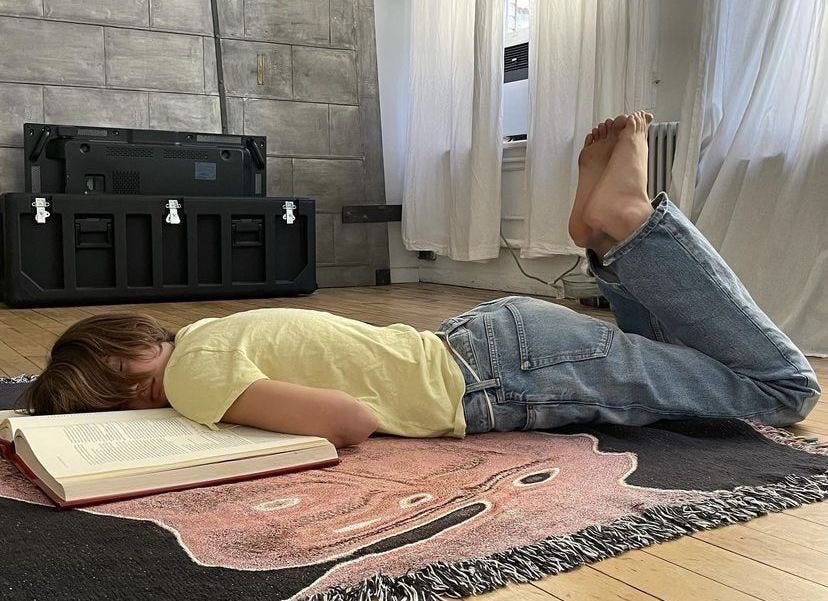
another way is to set your scale of success smaller than your pride wants. instead of demanding that you learn the whole song, just learn two measures. instead of expecting to write a perfect chapter, just aim for a page that exists. instead of wanting to converse fluently, just focus on asking one clear question. the discomfort shrinks when the bar shrinks, and oddly enough, progress accelerates.
there is also value in ritualizing the awkwardness. if you know that the middle will feel like stumbling through mud, you can almost welcome it. you can make tea before practice, light a candle before writing, put on the same playlist before studying. these little rituals soften the discomfort into something familiar. the body begins to associate the ritual with the act, and the discomfort, while still there, feels less like an ambush and more like a visitor you know how to host.
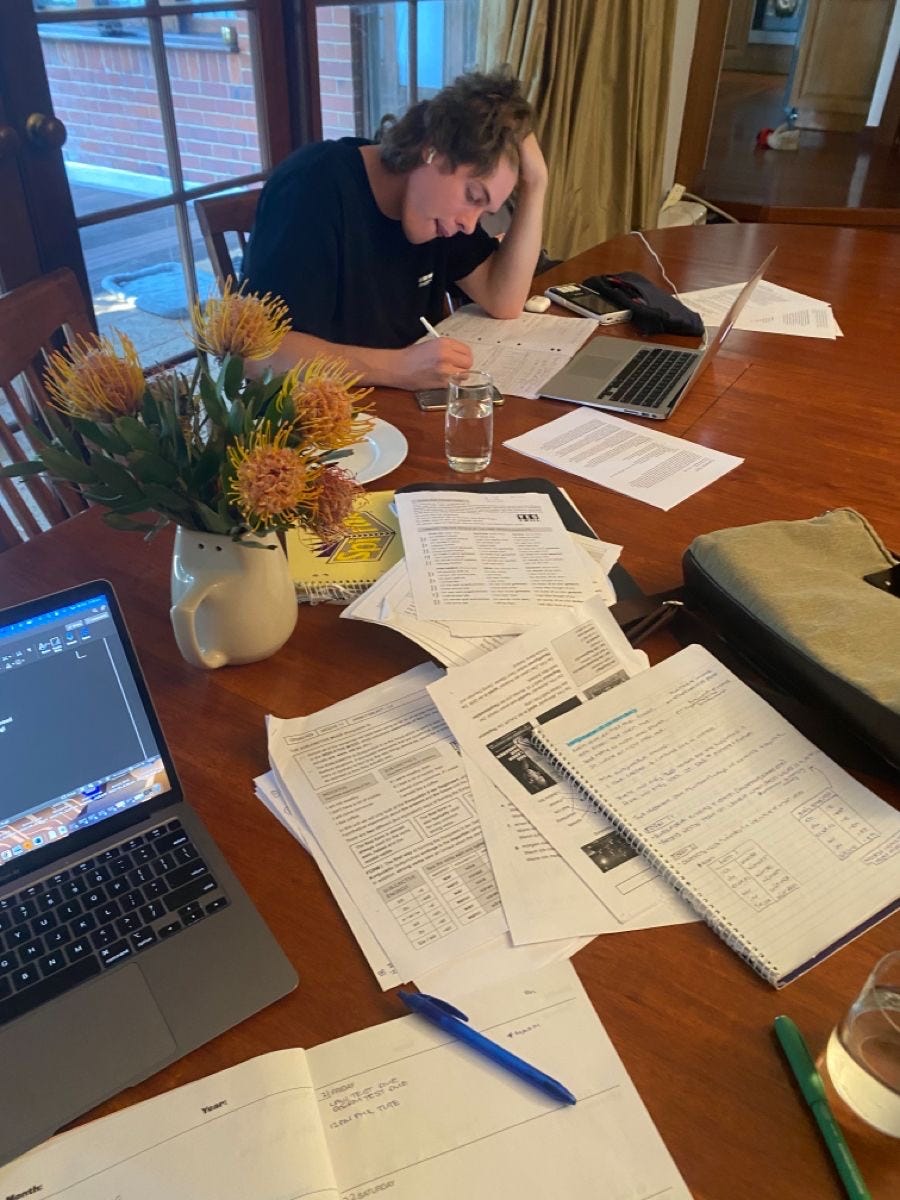
of course, some days you will want to give up entirely. those are the days when you have to remind yourself that no one skips this stage. every musician you admire had a season of terrible notes. every athlete had a season of graceless attempts. every writer has a drawer of embarrassing drafts. learning is not a clean line; it’s a jagged climb. if you abandon the climb the moment it gets steep, you never find the view that only comes later.
the discomfort of learning is not meant to be romanticized. it’s frustrating. it’s tedious. it can make you want to throw the guitar across the room or delete the entire document. but when you look back, it’s the stage you remember most vividly. you don’t often recall the moment of fluency arriving; you recall the weeks when it wasn’t there yet, when you kept trying anyway. the discomfort becomes a strange badge, proof that you lived through the unglamorous middle instead of skipping straight to the ending.
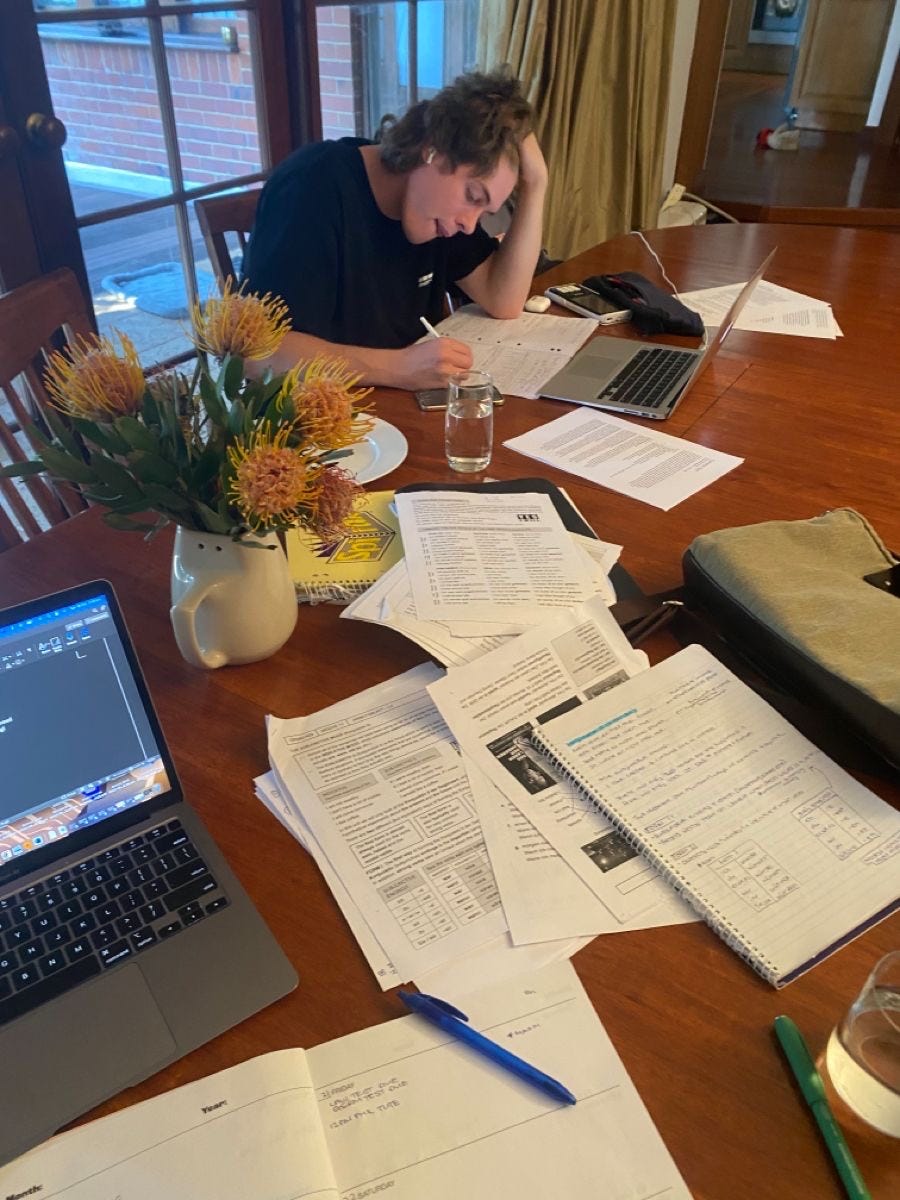
to live with the discomfort of learning is to accept that growth rarely feels good while it’s happening. it usually feels embarrassing, inconvenient, slow. but it also feels alive. it’s the sensation of your mind or body stretching into a new shape, one it doesn’t recognize yet but will soon. and if you can stay with that feeling — if you can let the discomfort sit beside you without throwing you off course — then you eventually arrive at something worth keeping: a skill, a practice, a piece of yourself that would never have existed without the awkwardness in between.
so the next time you find yourself in that restless middle — stumbling through chords, fumbling over sentences, doubting your ability entirely — remind yourself: this is not the end of learning. this is learning. the discomfort is not the obstacle. the discomfort is the curriculum.

I really needed to read this today. Thank you for your wisdom
thank you so much for thiss, I took some notes ^^